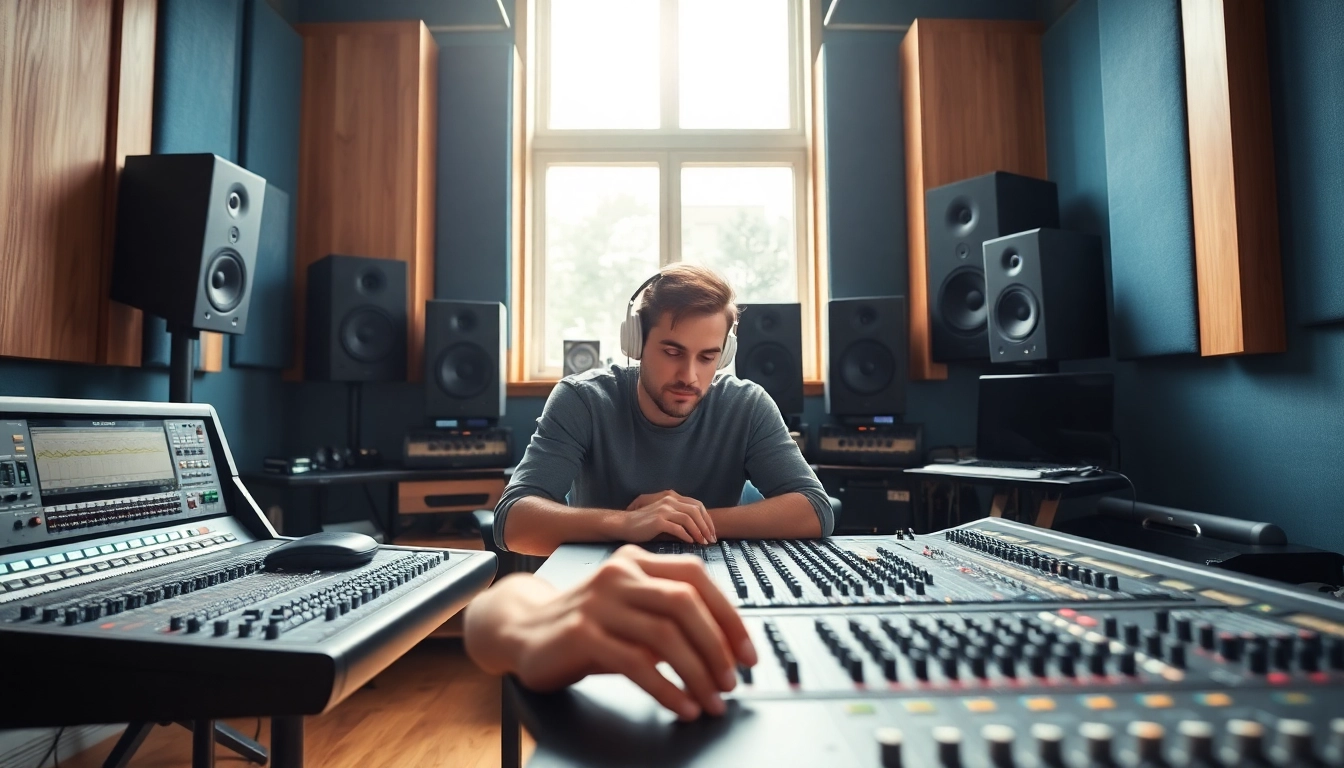

Introduction to Video Capture Techniques
Video capture is an essential aspect of modern storytelling, whether for personal projects, corporate engagements, or artistic endeavors. In an age where visual content reigns supreme, understanding the intricacies of video capture can significantly enhance the quality of your productions. The techniques employed in video capture can transform a simple idea into a compelling narrative that resonates with audiences. By mastering these techniques, creators can effectively communicate their message through powerful visuals and sound. For more details on enhancing your projects with video capture, let’s explore its basics and significance further.
Understanding Video Capture Basics
Video capture involves recording moving images and sound, which are then edited and compiled to tell a story. It encompasses various components, including cameras, microphones, lighting, and post-production tools. Understanding the basics of each component helps in achieving high-quality results.
First, let’s consider the camera. There are several types available, from DSLRs to mirrorless models, each with unique advantages suited for different scenarios. Similarly, audio capture is equally important since sound quality can make or break a video. High-quality microphones and audio interfaces help ensure clarity and richness in sound, complementing the visual elements.
The Importance of Video Capture in Storytelling
Video capture is not just about recording; it’s about storytelling. Each frame, sound, and edit contributes to the narrative arc, enhancing emotional engagement. Effective video capture allows filmmakers and content creators to craft narratives that evoke feelings, convey messages, and convey complex ideas succinctly. When done right, the audience is transported, experiencing the story as vividly as if they were witnessing it firsthand.
The narrative structure benefits greatly from the application of good video capture techniques. These techniques can include composition, pacing, and framing—all crucial for maintaining audience engagement throughout the project. The result is a visual language that speaks more powerfully than words alone.
Choosing the Right Equipment for Video Capture
Selecting the appropriate gear is fundamental to effective video capture. The choice of a camera can vary based on the project’s requirements; for example, a documentary will have different needs compared to a scripted short film. Consider high-resolution cameras with robust manual controls for flexibility and creative freedom.
Additionally, investing in quality lenses is critical. The lens dictates the perspective and can drastically affect the mood of a scene. Wide-angle lenses can capture expansive landscapes, while macro lenses can focus on intricate details. Choosing the right lens based on the desired storytelling effect can dramatically enhance the quality of the capture.
Planning Your Video Capture Projects
Defining Your Vision and Objectives
Every successful video capture begins with a vision. Defining the purpose behind your project is essential; it guides the tone, structure, and style. Establish whether the objective is to inform, entertain, or inspire, and ensure that this goal is consistently reflected throughout the production.
Consider creating a project brief that outlines your vision and objectives. This document can act as a guiding reference during the project, helping to ensure that all team members remain aligned with the intended message.
Scriptwriting for Effective Video Capture
Good scripting serves as the backbone of your video project, providing coherence and flow to your narrative. A well-written script not only outlines the dialogue but also includes stage directions and visual cues necessary for capturing the intended emotion and pacing.
Ensure that the script is engaging and relatable. Utilize storytelling techniques such as character development, conflict establishment, and resolution to keep viewers invested. Revisions and feedback from collaborators can refine the script further, ensuring clarity and impact.
Creating a Shot List for Video Capture
A shot list is a crucial tool during the video capture phase. It serves as a roadmap, detailing each scene and shot, including camera angles, movements, and any special effects required. This organized approach helps streamline production, reducing time spent deciding what to shoot next.
When creating a shot list, prioritize capturing essential shots first. This strategy ensures that even if time is cut short, you still achieve the core narrative components. Furthermore, consider including alternative shots or B-roll footage that can be used in post-production to enhance storytelling flexibility.
Technical Aspects of Video Capture
Camera Settings for Optimal Video Capture
Mastering camera settings is vital for achieving high-quality video capture. Key settings like shutter speed, aperture, and ISO greatly influence the final output. For motion capture, the general rule is to set the shutter speed at double the frame rate (e.g., 1/50 for 24fps). This setting ensures smooth motion blur, enhancing the viewing experience.
Aperture controls the depth of field, playing a crucial role in focusing on subjects while blurring backgrounds. A wider aperture (lower f-stop) draws attention to the subject, while a narrower aperture increases scene depth, which is useful in landscape shots.
Lighting Techniques for Better Video Capture
Lighting is one of the most crucial elements in video capture, profoundly impacting mood, visibility, and texture. Natural light can create beautiful scenes, but it often requires careful planning to avoid harsh shadows or overexposure. For controlled environments, artificial lighting can be manipulated to achieve desired effects.
Using three-point lighting is a common technique that creates a balanced illumination. This setup includes key light, fill light, and back light, which together enhance depth and dimensionality, improving the overall aesthetic and professionalism of the video.
Sound Quality in Video Capture
Beyond visuals, sound quality is pivotal in video capture. Poor audio can distract viewers and detract from the overall message. Start by using high-quality microphones suitable for your recording environment. Lapel mics work well for interviews, while shotgun mics are better for capturing directional sound.
Additionally, consider recording ambient sound and foley separately to enrich the audio landscape in post-production. Always monitor sound levels with high-quality headphones during recording to capture clear and crisp audio.
Post-Production Tips for Video Capture
Editing Techniques to Enhance Video Capture
Post-production is where the magic happens. Editing allows creators to piece together the narrative, emphasizing crucial moments while ensuring a coherent story flow. Familiarize yourself with editing software and its features, such as cutting, transitions, and motion effects.
Utilize techniques like the “L-cut” and “J-cut” for smoother transitions between scenes. These methods allow audio from one clip to bleed into the next, enhancing narrative continuity. Additionally, keep an eye on pacing; editing too tightly or too loosely can affect viewer engagement.
Color Grading and Its Impact on Video Capture
Color grading is a critical step in post-production that significantly affects the overall feel of the video. It allows filmmakers to create a specific mood or atmosphere through color adjustments. Utilizing color grading software can help enhance visuals, correct exposure, and create cohesive aesthetic tones across scenes.
Understanding color theory can be beneficial in guiding the grading process. For example, warmer tones can evoke feelings of comfort and nostalgia, while cooler tones can convey sadness or desolation. Effective color grading helps elevate the production quality, making it feel more polished and professional.
Optimizing Your Video Capture for Various Platforms
Different platforms have unique specifications regarding video format, resolution, and aspect ratios. Ensuring your video capture is optimized for each platform means researching and adjusting files accordingly. For example, Instagram supports vertical videos, while YouTube is ideal for horizontal formats.
Understand the audience’s consumption habits on these platforms to tailor the content accordingly. Additionally, consider captioning your videos for improved accessibility and wider reach, ensuring that your message resonates with a diverse audience.
Common Challenges in Video Capture and Solutions
Dealing with Environmental Variables
One of the biggest challenges in video capture involves dealing with environmental variables such as weather, lighting changes, and unexpected disruptions. Planning ahead is essential; consider scouting locations beforehand to account for potential challenges. Bringing extra gear, such as portable lighting or rain covers, can help mitigate unforeseeable issues.
Being adaptable is crucial. Developing a Plan B can help ensure that any adjustments maintain the integrity of the story, regardless of environmental conditions. Flexibility and quick problem-solving can make the difference between a frustrating experience and a successful shoot.
Overcoming Technical Difficulties in Video Capture
Technical difficulties can arise unexpectedly during video capture, from equipment malfunctions to software crashes. Regularly checking equipment before each shoot can help reduce these risks. Ensuring all gear is functioning correctly and carrying backup options for critical items, such as memory cards and batteries, is wise.
Moreover, familiarize yourself with your equipment and software. Understanding how to troubleshoot common issues can save valuable time and prevent setbacks during production.
Improving Storytelling Through Video Capture Feedback
Feedback is vital in refining your storytelling techniques. After a project, consider conducting a screening with peers or mentors for constructive criticism. This practice can reveal areas of strength and weakness, providing insights into how to enhance future video capture projects.
Engage with audiences through comments and discussion. Constructive engagement can offer a different perspective, allowing you to assess what resonates with viewers. Continuous improvement based on feedback forms the foundation of effective video capture storytelling.
Frequently Asked Questions
What is the best camera for video capture?
The best camera depends on your needs. DSLRs, mirrorless cameras, and camcorders each offer unique advantages for different situations. DSLRs are versatile, while mirrorless cameras are known for their compactness.
How can I improve audio quality during video capture?
Use high-quality microphones and monitor audio levels. Capture ambient sounds and apply post-production techniques to enhance clarity and richness.
What lighting techniques are recommended for beginners?
Start with three-point lighting: a key light, fill light, and back light. This setup offers balanced illumination and reduces harsh shadows.
How important is post-production editing?
Post-production editing is crucial for shaping your narrative. It enhances visuals, improves pacing, and corrects errors, making your video feel polished and professional.
What should I include in a shot list?
Include the scene number, shot type, camera angles, and any specific actions or details relevant to capturing the scene to ensure smooth production.