
Understanding Reverse Phone Search UK
In an age where phone calls often come from unknown numbers, the need for a reliable way to identify callers has never been greater. Whether you’re receiving cold calls, potential scams, or legitimate inquiries, knowing who is on the other end can save you time and protect your privacy. Reverse phone search services specifically tailored for the UK allow users to trace the origins of any phone number, giving them peace of mind in their communication. If you’re tired of being left in the dark about unfamiliar numbers, discovering a trusted resource for conducting a reverse phone search uk could be the solution you need.
What is a Reverse Phone Search?
A reverse phone search is a process that allows individuals to discover the identity associated with a specific phone number. Unlike traditional phone directories, which require a name or address to find a number, reverse search tools operate in the opposite manner. Users enter a phone number, and the search retrieves relevant details about the caller, such as their name, address, and sometimes whether the number has been reported for scams or spam. This functionality is particularly useful in the UK, where cold calls and telephone scams have been on the rise.
The Importance of Caller Identification
Understanding who is calling you is crucial for various reasons. Firstly, it helps in managing your time effectively; answering calls from unknown numbers can disrupt your day, often leading to lengthy discussions with telemarketers. Secondly, identifying callers is essential for protecting your personal information. Many scammers employ tactics to extract sensitive data through deceptive calls. By utilizing reverse phone search tools, you can mitigate these risks and ensure that you only engage with legitimate callers.
How Reverse Phone Searches Work in the UK
Reverse phone searches in the UK primarily rely on databases that compile information from various sources, including public records, telecommunications data, and user-generated reports. Services like WhoCalledLookup integrate this data with the official Ofcom numbering plan, which organizes UK numbers by range holders, making identification not only accurate but also timely. Users can typically type in a number and receive not just the owner’s name but also any associated risk scores based on user feedback and reports from forums.
Using WhoCalledLookup for Safety
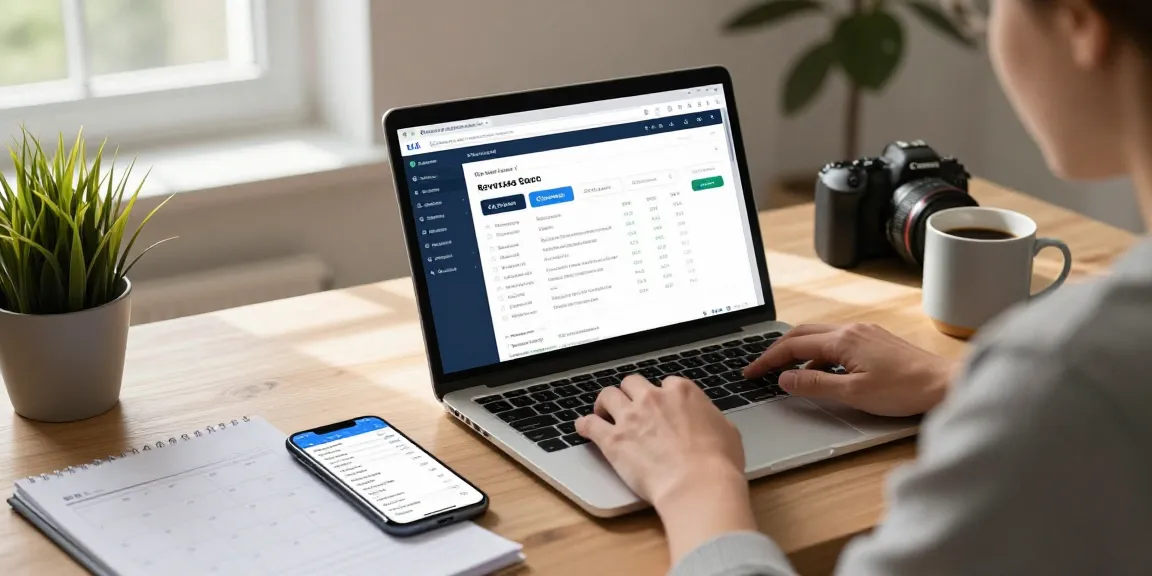
When it comes to ensuring your safety and security during phone calls, WhoCalledLookup stands out as a premier option for reverse phone search services in the UK. Its user-friendly interface and comprehensive data make it a reliable tool for identifying unknown callers. Here’s how to effectively use WhoCalledLookup to your advantage.
Step-by-Step Guide to Using the Tool
- Visit the website: Navigate to WhoCalledLookup.co.uk.
- Enter the phone number: Input the complete number you wish to investigate into the search bar provided.
- Results review: Analyze the information provided, which may include the caller’s name, location, and risk score.
- Take action: Decide on your next steps; whether to call back, report the number, or block it based on the findings.
Key Features of WhoCalledLookup
- Comprehensive Data: Combines Ofcom range holder data with live reports from users and AI-driven insights.
- Risk Scores: Provides a score from 0-10, indicating the likelihood of the number being associated with spam or scam activity.
- User Contributions: Allows users to add their own experiences which helps build a community-driven resource.
- No Account Needed: Search results are available without the need to register, making it accessible to everyone.
Interpreting Risk Scores and Reports
The risk score provided by WhoCalledLookup is a crucial indicator of the potential danger associated with a phone number. A higher score suggests that the number has been reported frequently for spam or scam activity. It is essential to consider these scores when deciding whether to engage with a caller. Additionally, the reports from other users can give context to the nature of the call—whether it is a business inquiry, a sales call, or indeed a scam. This information empowers users to make informed decisions.
Common Types of Phone Scams in the UK
Unfortunately, the increase in phone scams has made it essential for people to be aware of common fraudulent practices. Several scam types have become prevalent in the UK, and recognizing these can help you avoid falling victim.
Identifying Scam Calls with Patterns
Many scam calls follow recognizable patterns. For instance, calls claiming to be from your bank often attempt to verify your details by requesting personal information. Similarly, automated messages from supposed government agencies warning about legal action are classic ploys to elicit fear and urgency. Understanding these patterns can be your first line of defense against fraud.
Protecting Yourself Against Phone Scams
To safeguard yourself against phone scams, follow these best practices:
- Never give out personal information: Legitimate companies will never ask for sensitive data over the phone.
- Use reverse phone lookup: Before calling back any unknown number, use a reverse phone search to verify its legitimacy.
- Report suspicious calls: Notify local authorities or use platforms like WhoCalledLookup to warn others.
- Trust your instincts: If something feels off about the call, it probably is. Hang up and verify the caller’s identity through official channels.
Reporting Suspicious Calls Effectively
When you encounter a suspicious call, reporting it can help protect others in your community. Here’s how to report:
- Document the details: Keep a record of the number, time of the call, and any other relevant information.
- Use online platforms: Websites like WhoCalledLookup allow users to report numbers, contributing to a communal database of potential scams.
- Contact authorities: In the UK, you can report scams to Action Fraud or share your experiences with local consumer protection agencies.
Maximizing Your Reverse Phone Search Experience
Getting the most out of reverse phone search tools requires some best practices and understanding how the system operates. By following these tips, you can enhance your search experience and make informed decisions based on the information you find.
Best Practices for Efficient Lookups
- Be specific: Enter the full number, including area codes, to ensure accurate results.
- Check multiple reports: Sometimes a number may have both positive and negative reports. Look for patterns in user feedback.
- Search frequently: As new scams arise, stay informed by checking numbers you encounter regularly.
Understanding UK Area Codes
UK area codes can provide valuable insights when conducting a reverse phone search. Each area code corresponds to a specific geographic region or service type, which can help in narrowing down the nature of the call. For instance, numbers beginning with 0800 are often associated with freephone services, while calls from 071, 072, etc., indicate mobile numbers. Familiarity with these codes enhances your ability to judge the legitimacy of a call.
Utilizing Additional Resources and Tools
Beyond using WhoCalledLookup, there are several other tools available that offer similar services or complementary functionalities. Exploring various platforms can provide a broader scope of information. Using forums, community reports, and consumer protection websites can further inform your understanding and awareness concerning specific numbers or patterns of scam calls.
Future Trends in Phone Lookup Services
The technology underpinning reverse phone searches continues to evolve, bringing with it new capabilities and features that enhance user experience and security. Here’s a glimpse into what to expect in the coming years in this important domain.
Emerging Technologies in Caller Identification
Advancements in artificial intelligence and machine learning are set to revolutionize how phone lookup services operate. These technologies will enable more accurate data scraping from diverse sources, yielding richer and more timely information. Predictive analytics may also play a role in identifying potential scam calls before they reach consumers.
What to Expect in 2026 and Beyond
By 2026, we can expect phone lookup services to incorporate more real-time data, allowing for immediate threat detection and alerting users about scammers as soon as they call. Additionally, user privacy will likely become even more paramount, with regulations and technologies focusing on safeguarding user data while still providing essential services.
Expert Predictions for the Industry
Industry experts predict a surge in user-friendly interfaces that demystify the process of checking numbers. As consumer demand for transparency increases, service providers will need to adapt quickly. Moreover, partnerships with telecommunications companies could provide more extensive data access, which can improve the efficiency and effectiveness of reverse phone searching.
How to Stay Informed and Updated
Staying updated on the latest trends in phone scams and lookup services requires a proactive approach. Subscribe to consumer alert newsletters, follow reputable scam alert platforms on social media, and participate in community discussions to share experiences and gain insights from others facing similar issues.
How to Effectively Use Reverse Phone Search in Daily Life?
Incorporating reverse phone searches into your daily routine can significantly enhance your communication safety. Before answering calls from unknown numbers, utilize reverse lookup tools to quickly check for warnings or scam reports. Additionally, after receiving unsolicited calls, take the time to report your experience to help others in avoiding potential pitfalls.
What are the Main Benefits of Using WhoCalledLookup?
WhoCalledLookup offers a plethora of benefits to users, including:
- Immediate results: Quickly find out who is calling you without needing to sign up for an account.
- Enhanced safety: Protect yourself from scams by verifying unknown callers.
- Community insights: Learn from other users’ experiences and contribute your own reports.
How Does Reverse Phone Search Protect Consumers?
Reverse phone searches empower consumers by enabling them to make informed decisions about whether to answer unknown calls. By providing information about the caller and any potential risks associated with the number, these tools enhance personal safety and privacy in an increasingly digital world.
What are the Common Misconceptions about Phone Lookups?
Many consumers are unaware of the nuances involved in reverse phone search services. Common misconceptions include the belief that all phone lookup services require payment or that they can provide detailed personal information about the caller. In reality, most reputable services focus on identifying numbers and reporting patterns rather than delving into private subscriber information.
Can Reverse Phone Searches Help Small Businesses?
Reverse phone search services can indeed be beneficial for small businesses. They can help verify potential customers or partners, ensuring that outreach efforts are directed toward legitimate leads. Additionally, businesses can protect themselves from potential scams or spam calls that could waste time and resources.


